
Stator Lamination Stacks Manufacturer in China
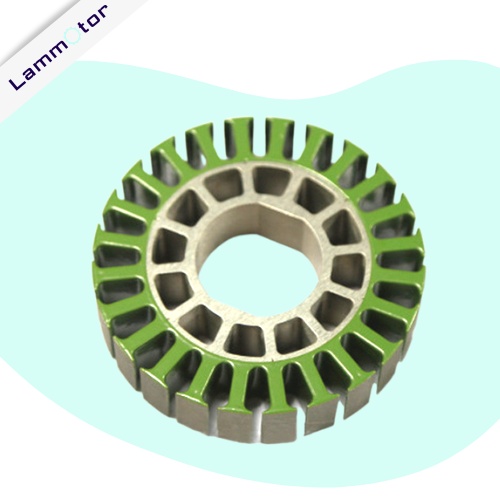
Lammotor is a stator laminations manufacturer in China. We make custom stator laminations and stator lamination stacks to your drawing for EV, BLDC, servo, induction and generator motors. Orders start from a single prototype core, and samples are typically ready in 10 to 15 days, depending on the design and quantity.
We use advanced stamping equipment and techniques to ensure precision and accuracy in the manufacturing process, and we prioritize quality control at every stage of production. Whether you need stator laminations for AC motors, DC motors, or generators, we can provide customized solutions that meet your needs and exceed your expectations.
Contact us today to learn more about our services and how we can help you with your stator and rotor lamination needs.
Stator Core Laminations Stamping
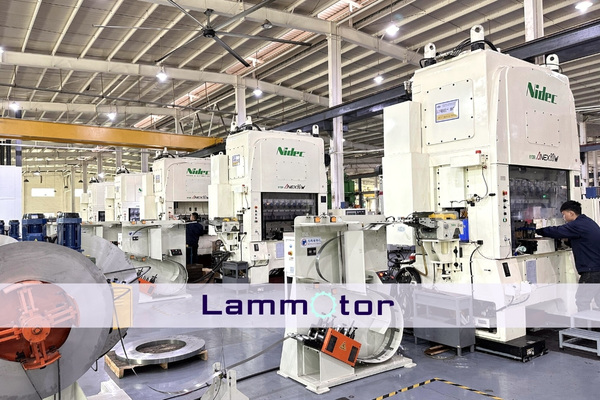
Stamping stator laminations allows for high-volume production, consistent quality, and accuracy with tight tolerances. We provide progressive stamping, compound stamping, and rotary notching.
The stamped laminations are stacked together to form the stator core. Because each lamination is thin and insulated, eddy currents are kept small, which reduces core loss and heat and improves motor efficiency.
As a stator laminations manufacturer in China, we stamp stator electrical steel laminations to each customer’s drawing and requirements, with consistent quality from prototype to volume production.
Laser Cutting Stator Laminations
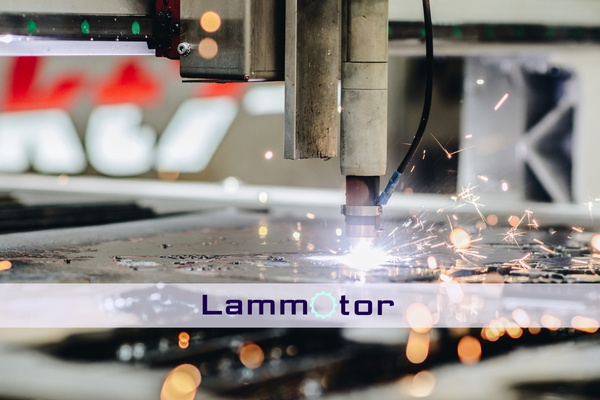
Laser cutting is the fastest way to make prototype and small-batch stator laminations, because no die is needed and a design change only needs a new cutting program.
With advanced software and automation, we can quickly and accurately cut out the required shapes with minimal waste. And we ensure that each lamination is identical and meets the required specifications. This makes it an ideal option for rapid prototyping motor laminations, as it allows for easy customization and iteration of designs.
STACKING AND FINISHING
How Stator Lamination Stacks Are Assembled and Finished
After the laminations are stamped or laser cut, they are stacked into a stator core. The stacking method affects core loss, noise, strength and cost, so we choose it together with you based on the motor design and production volume.
We also control burrs on the cut edges and can add insulation after stacking, so the stator core is ready for winding.
Interlocking
Small interlock tabs are punched into each lamination in the progressive die, and the layers lock together as they are stamped. It is fast and cost-effective for high-volume production.
Welding
The stack is welded along the outer diameter, usually by laser or TIG welding. Welded stacks are strong and suit larger stator cores, but the weld seams add some local core loss.
Bonding
The laminations are bonded with adhesive or self-bonding varnish instead of tabs or welds. With no mechanical stress points, bonded stacks have lower core loss, vibration and noise, which suits EV and high-speed motors. See our bonded stator and rotor laminations.
Riveting and Cleating
Rivets or cleats hold the stack together mechanically. This method is used for some larger or special stator cores.
Burr Control
Burrs on the cut edges can short adjacent laminations and lower the stacking factor, which increases core loss. We control burrs through die maintenance and process settings, and check the edges before stacking.
Insulation Coating
Once the stator core is stacked, the slots can be insulated with electrostatic epoxy powder coating or injection-molded insulation, so the core is ready for winding.
Materials Used in Stator Lamination Stacks
There are several types of electrical steels used for manufacturing stator lamination stacks, including:
Silicon Steel
Silicon steel is the most common material used for stator lamination stacks due to its low cost, high magnetic permeability, and low core loss.
Non-oriented Electrical Steel
Non-oriented electrical steel has a uniform crystal structure that allows it to maintain its magnetic properties under varying directions of magnetization.
Grain-Oriented Electrical Steel
Grain-oriented electrical steel has its crystals aligned in one direction, so it performs best when the magnetic flux always follows that direction. It is mainly used in transformers, and in motors only for special designs such as segmented stator teeth.
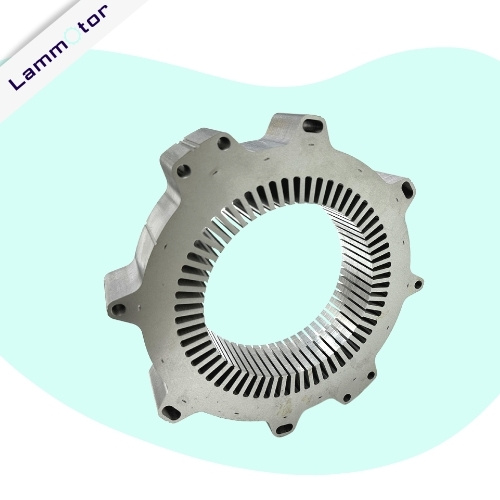
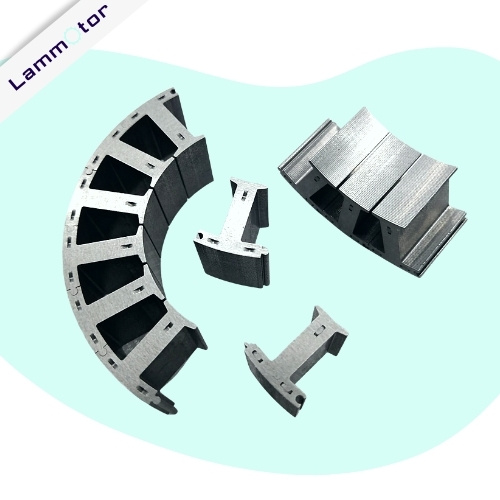
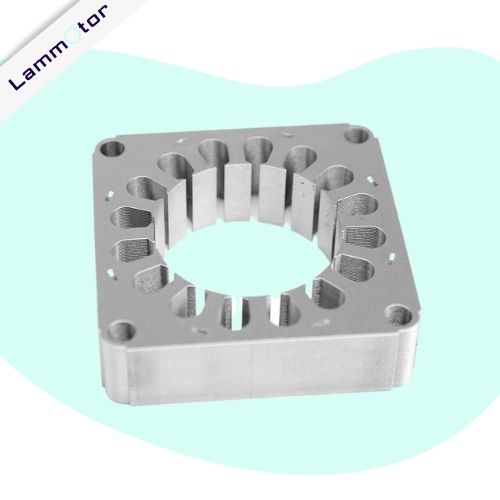
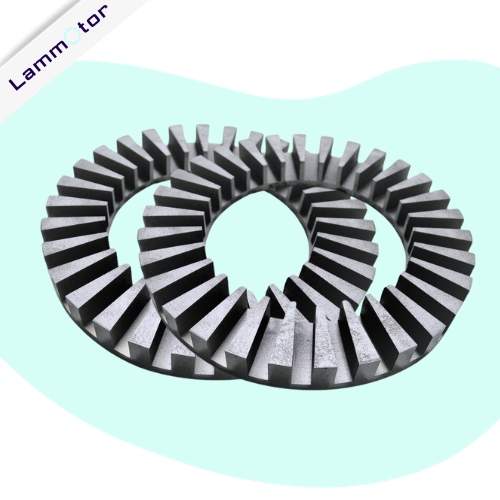
A series of motor Stator laminations customized
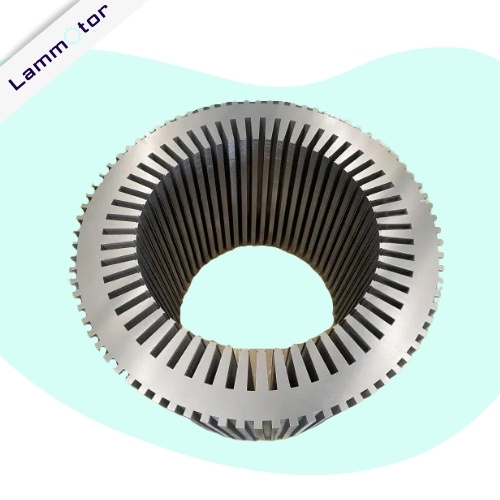
As a manufacturer of motor stator laminations, we have the ability to produce various types of stator laminations, including segmental laminations. We utilize different manufacturing processes such as stamping, laser cutting, and wire EDM to create precise and high-quality laminations for various applications.
With our expertise and equipment, we are capable of producing customized stator laminations that meet the unique requirements of our clients. Whether it’s a high-volume production or a small batch, we can deliver the desired results with precision and efficiency.


Comprehensive Testing Services
quality control for stator laminations
Quality control covers every step, from incoming steel to the finished stator stack, so the laminations you receive match your drawing and perform as designed.
Incoming electrical steel is checked against the specified grade, thickness and insulation coating before production starts.
First pieces from every new die or laser program are measured and approved before the batch continues.
We use CMM to accurately measure the dimensions of the laminations and verify their conformity to the design requirements.
During stamping, burrs, flatness and key dimensions are checked at regular intervals, and dies are maintained to keep burrs under control.
Finished stacks are checked for stack height, squareness and the quality of interlocks, welds or bonding.
Various tests on the finished laminations, such as core loss testing and magnetic flux density testing.
We provide inspection reports at various stages of the manufacturing process.
OUR SERVICES
Why Choose Us as Your stator and rotor laminations China manufacturer?
With years of experience in the industry, we have established ourselves as a trusted and reliable supplier of stator laminations to a wide range of customers.
When you choose us as your stator lamination manufacturer, you can be confident that you are getting the highest quality products and exceptional customer service.
high-quality materials
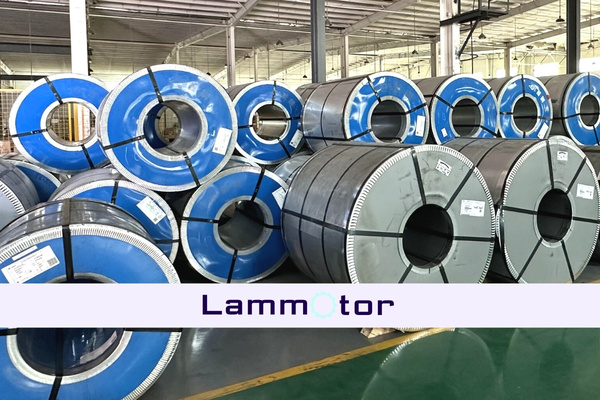
Firstly, we use only high-quality silicon steel materials in the production of our stator laminations to ensure that they are durable and long-lasting.
quality control
Additionally, we have a rigorous quality control process in place to ensure that every product that leaves our facility meets our high standards for accuracy and precision.
Manufacturing Capabilities
Our stamping capabilities are also top-notch, allowing us to produce large volumes of laminations quickly and efficiently while maintaining consistent quality.
Motor Stator Laminations FAQs
Stator lamination stacks are core components of electric motors and generators that consist of thin sheets or laminations made from various electrical steels.
The stator lamination stack is responsible for producing the magnetic field that interacts with the rotor to induce motion in an electric motor or generator.
Thus, the performance and efficiency of an electric motor or generator depend largely on the quality and composition of its stator lamination stack.
No. We can make a single stator core for prototype testing and move to volume production once your design is approved.
Samples are typically ready in 10 to 15 days, depending on the design complexity and the number of samples.
When selecting a reliable stator lamination China manufacturer, it’s important to consider a number of factors to ensure that you find a high-quality supplier. Here are some key points to keep in mind:
Look for experience:
Choose a manufacturer with a proven track record of producing quality stator laminations for a range of applications.
Check certifications:
Ensure that the manufacturer has recognized quality certifications, such as ISO 9001 and IATF 16949 for automotive supply, demonstrating their commitment to quality standards.
Quality control processes:
Ask about the company’s quality control processes, including inspections and testing, to ensure that their products meet your specific requirements.
Customization capabilities:
Find a manufacturer who can customize their products to your needs and specifications, allowing you to create unique solutions that meet your exact requirements.
By following these guidelines, you can select a reliable stator lamination China manufacturer that will provide you with high-quality products and excellent service.
Stator lamination stacks are used in various types of electric motors, transformers, and generators.
A. Electric Motors:
Stator lamination stacks are used in various types of electric motors, including:
AC Motors:
AC motors use stator cores to convert electrical energy into mechanical energy by rotating a magnetic field.
DC Motors:
DC motors use stators to produce a magnetic field that interacts with the rotor to produce rotational motion.
Synchronous Motors:
Synchronous motors use stators to synchronize the rotation of the rotor with the frequency of the AC power supply.
Induction Motors:
Induction motors use stator laminations to induce a current in the rotor through electromagnetic induction, producing rotational motion.
B. Generators:
Stator core lamination stacks are also used in various types of generators, including:
Wind Turbine Generators:
Wind turbine generators use stator core lamination stacks to convert kinetic energy from the wind into electrical energy.
Hydroelectric Generators:
Hydroelectric generators use them to convert potential energy from falling water into electrical energy.
Gas Turbine Generators:
Gas turbine generators use them to convert thermal energy from burning fuel into electrical energy.
A. Core Losses:
Core losses refer to the energy lost due to hysteresis and eddy currents in the stator lamination stack, leading to inefficiencies in the motor or generator.
B. Magnetic Flux Density:
The magnetic flux density within the stator lamination stack determines its ability to produce a magnetic field and interact with the rotor.
C. Hysteresis Losses:
Hysteresis losses are the energy needed to reverse the magnetization of the electrical steel in every cycle, which is released as heat.
D. Eddy Current Losses:
Eddy current losses come from small currents induced inside each lamination by the changing magnetic field. Thin, insulated laminations keep these currents and the resulting heat low.
DXF, STEP and PDF drawings are all fine, as well as other common CAD formats.
We are happy to sign an NDA (non-disclosure agreement) before you share your drawings, and most of our customers work with us under one.
Need to stamp electric motor Stator laminations? Contact Us!
If you are in need of stamping electric motor stator laminations, don’t hesitate to contact us! Our team of experts has years of experience in the field and can provide you with high-quality stamped stator laminations that meet your specific requirements.
We use advanced stamping technology to ensure precision and accuracy, and we offer competitive pricing and quick turnaround times. Contact us today to learn more about our services and how we can help you with your stator lamination needs.